

Bhutan is a truly unique and enchanting destination, renowned for its remoteness and timeless beauty. Known as the Land of the Thunder Dragon, the country is adorned with ancient monasteries, majestic fortresses, towering mountains, and the breathtaking Himalayan range.
Only capture memories—leave the place untouched.
Since 1974, Bhutan has followed a High Value, Low Volume tourism policy, ensuring that visitors experience its pristine landscapes and rich cultural heritage in a responsible and sustainable way.
Bhutan is also proudly recognized as the world’s only carbon-negative country, meaning it absorbs more carbon dioxide than it produces. With vast forests acting as natural carbon sinks and a strong commitment to environmental stewardship, Bhutan plays a meaningful role in global efforts to combat climate change.
Another remarkable aspect of Bhutan is its development philosophy of Gross National Happiness (GNH), which prioritizes the well-being and happiness of its people over purely economic growth. This holistic approach balances sustainable development, environmental conservation, cultural preservation, and good governance.
Looking toward the future, Bhutan is also developing Gelephu Mindfulness City, an ambitious project that aims to create a sustainable economic hub rooted in mindfulness, innovation, and ecological harmony. This visionary city seeks to combine modern development with Bhutan’s core values of well-being, environmental protection, and cultural integrity.
Festivals in Bhutan, known as Tshechus, hold profound cultural, spiritual, and social significance. They are not only religious celebrations honoring Guru Rinpoche and Buddhist teachings but also vital occasions that strengthen community bonds. During these festivals, people from different villages come together to witness sacred mask dances, rituals, and traditional performances that pass down stories and values from generation to generation. Tshechus also serve as a reminder of Bhutan’s rich heritage, fostering a sense of national identity and pride. Beyond spirituality, these festivals provide joy, entertainment, and opportunities for families and friends to connect, making them an integral part of Bhutanese life and culture.


Bhutan’s religion and culture are deeply intertwined, with Buddhism shaping the country’s way of life, values, and traditions. Monasteries, prayer flags, and sacred festivals are central to daily life, reflecting devotion and spiritual practice. At the same time, Bhutanese culture is expressed through colorful traditional dress, architecture, arts, and community rituals that preserve centuries-old customs. This strong connection between religion and culture gives Bhutan its unique identity, fostering harmony, respect, and a sense of belonging among its people.
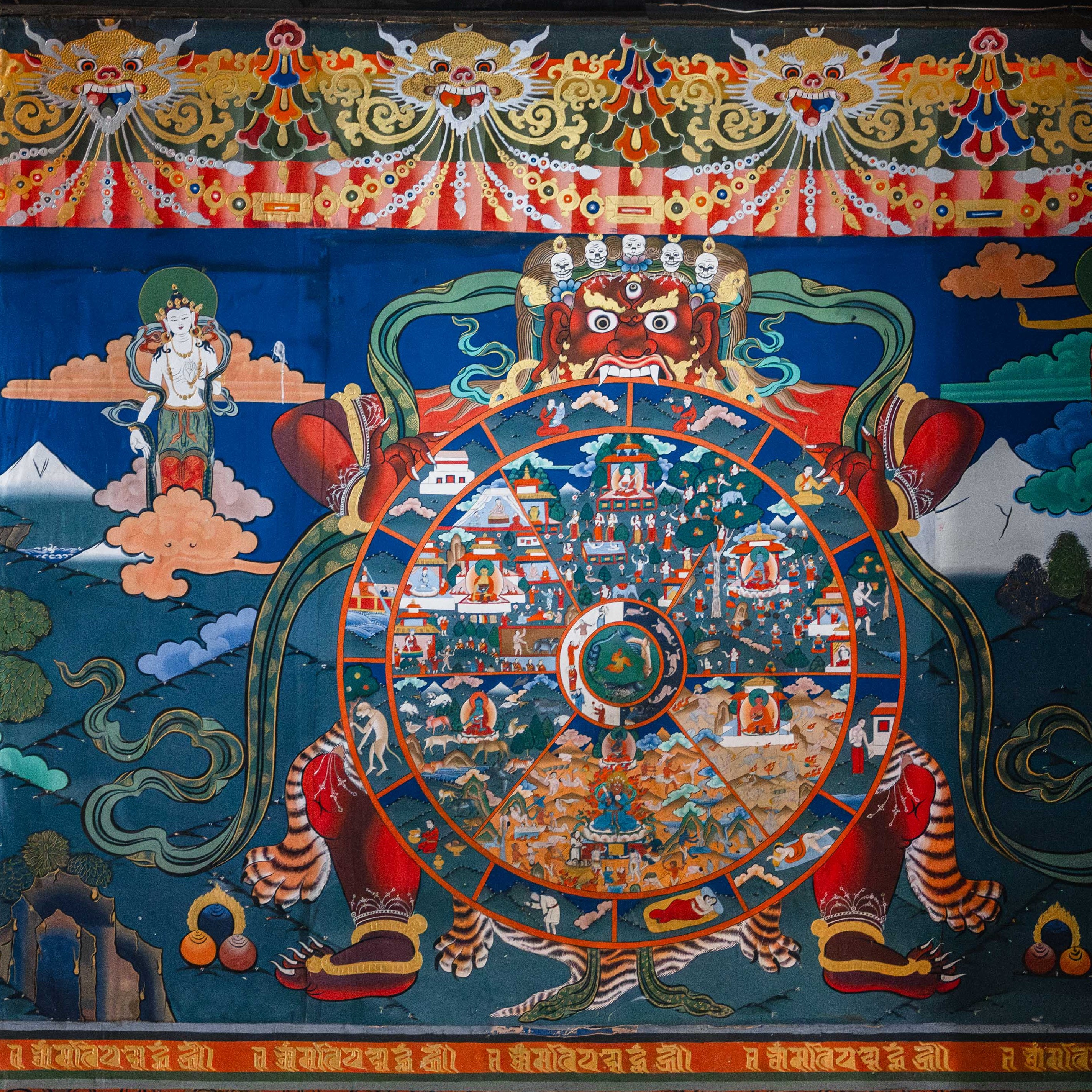
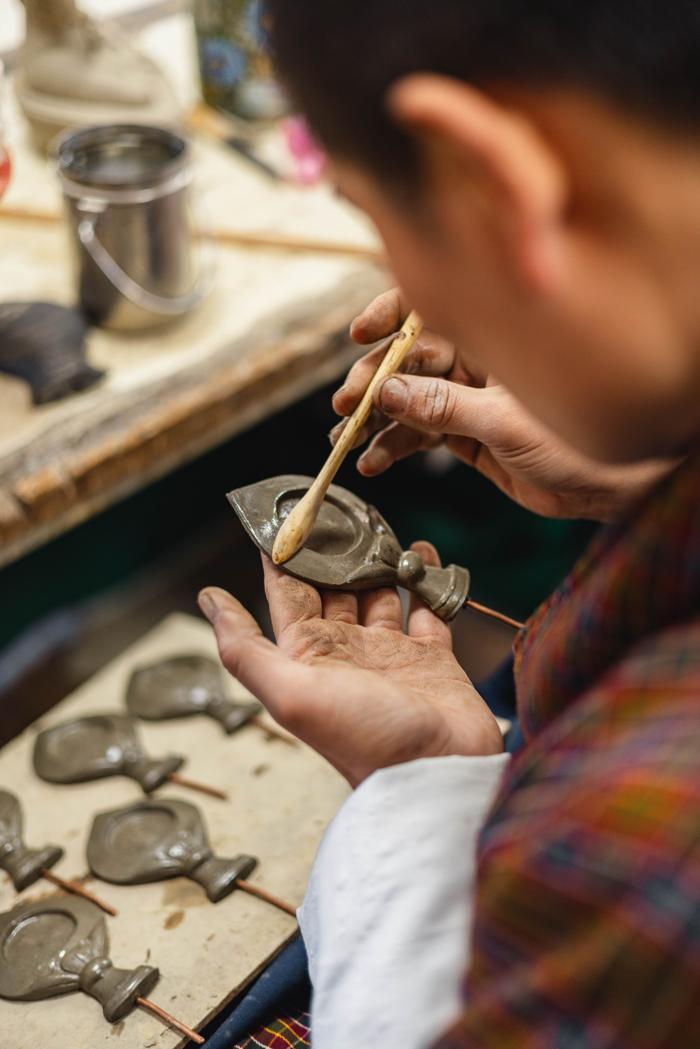
Arts and crafts in Bhutan play a vital role in promoting tourism, as they showcase the country’s rich heritage and traditional skills. Intricately woven textiles, hand-carved woodwork, thangka paintings, and handmade jewelry attract visitors who are eager to experience authentic Bhutanese culture. Tourists often seek these unique creations as souvenirs, which supports local artisans and sustains traditional craftsmanship. By highlighting Bhutan’s artistic legacy, arts and crafts not only enhance the cultural experience for visitors but also contribute significantly to the country’s economy and the preservation of its cultural identity.


Gross National Happiness (GNH) is central to Bhutan’s development philosophy, emphasizing well-being and quality of life over purely economic growth. It measures progress through factors such as sustainable development, cultural preservation, environmental conservation, and good governance. By prioritizing happiness, Bhutan encourages policies that balance material prosperity with spiritual, social, and environmental well-being. GNH fosters a sense of community, ethical responsibility, and harmony with nature, guiding the nation toward a holistic and sustainable future where people’s overall happiness is valued as much as economic success.
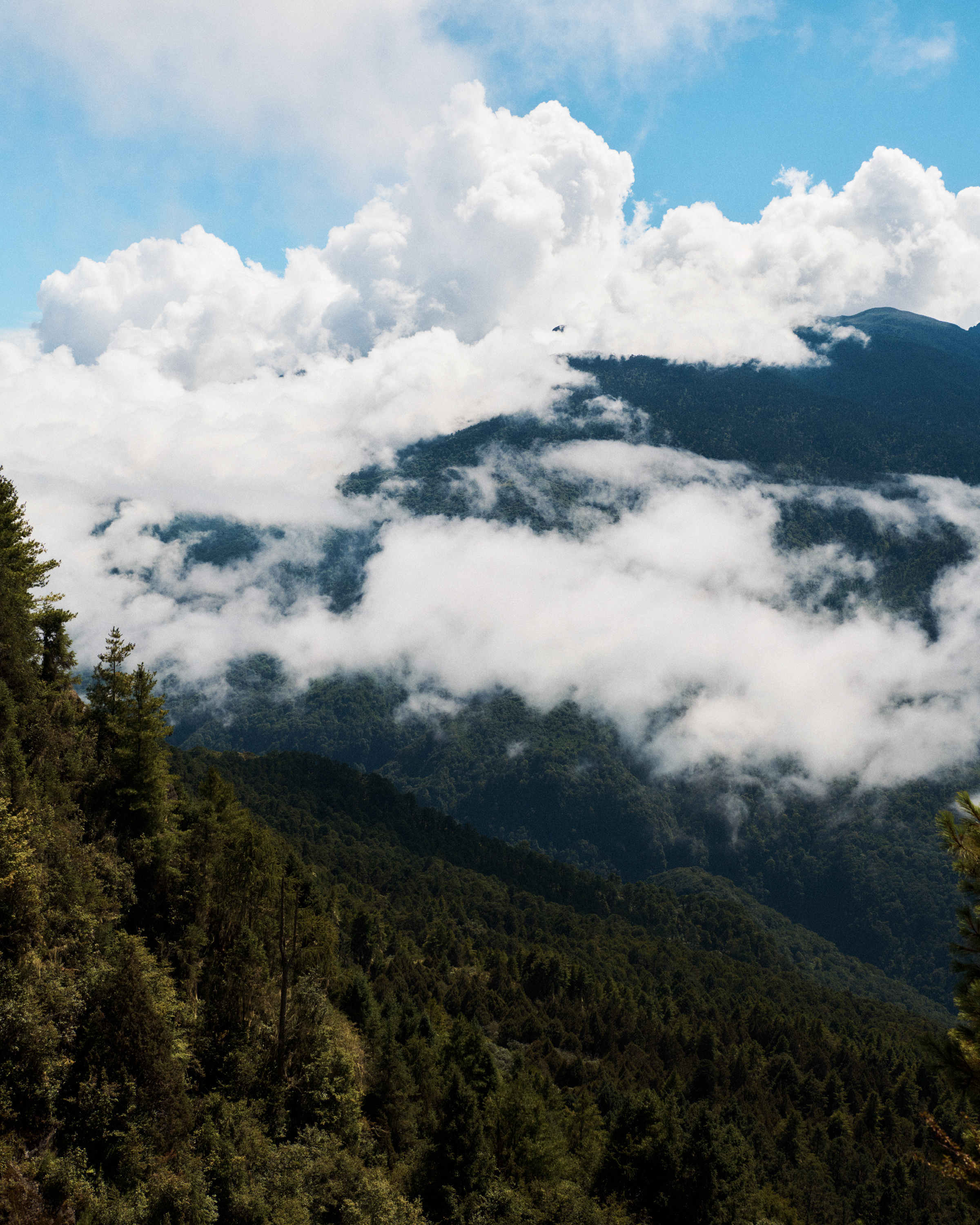
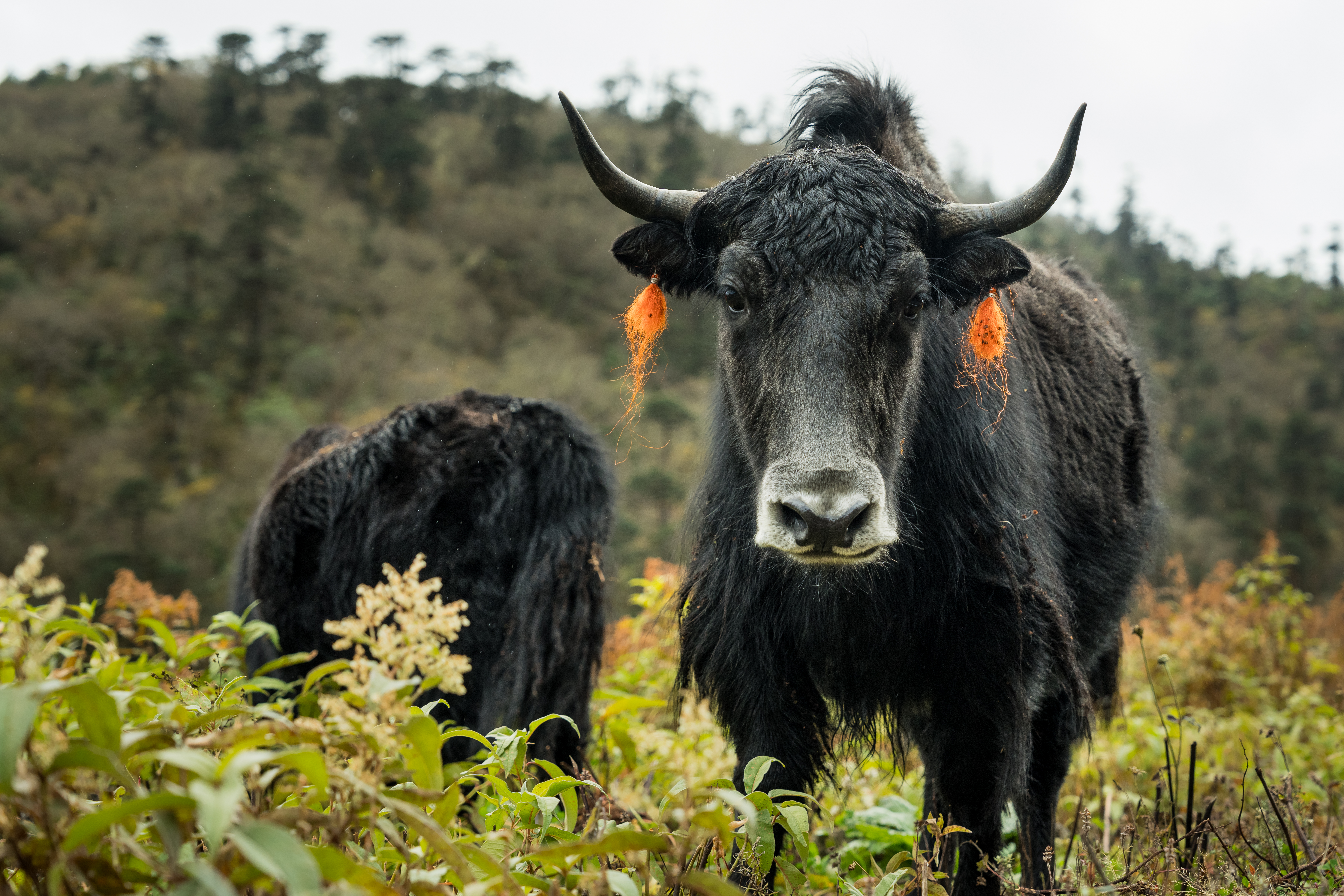
Bhutan’s natural environment is breathtakingly beautiful, with its soaring mountains, lush valleys, dense forests, and pristine rivers creating a serene and unspoiled landscape. The country’s rich biodiversity, from rare Himalayan wildlife to vibrant flora, adds to its charm and attracts nature lovers from around the world. The clean air, peaceful surroundings, and harmonious coexistence with nature offer a sense of tranquility and spiritual refreshment. This stunning natural beauty not only defines Bhutan’s identity but also inspires conservation, tourism, and a deep appreciation for the environment.
Dzongkha is the national language. English is widely used in schools, signage, and menus. Useful phrases: